
How Mobile Payments Are Transforming Kenya’s Digital Entertainment Sector
In Kenya, mobile payments have long been a part of daily life. M-Pesa is used by people to make purchases at stores, send money to pals, and pay bills. Naturally, that behavior has permeated digital services. The way people pay for online games, sports memberships, and streaming subscriptions has been altered by easy transfers.
Users no longer need to enter card details or wait for bank approval – transactions go through in seconds. In this setup, companies rely more on bonus programmes to attract attention, including offers like on kenyafootballbet.com, which have become part of the wider digital ecosystem. Payment convenience also affects how quickly people decide to try a new service.
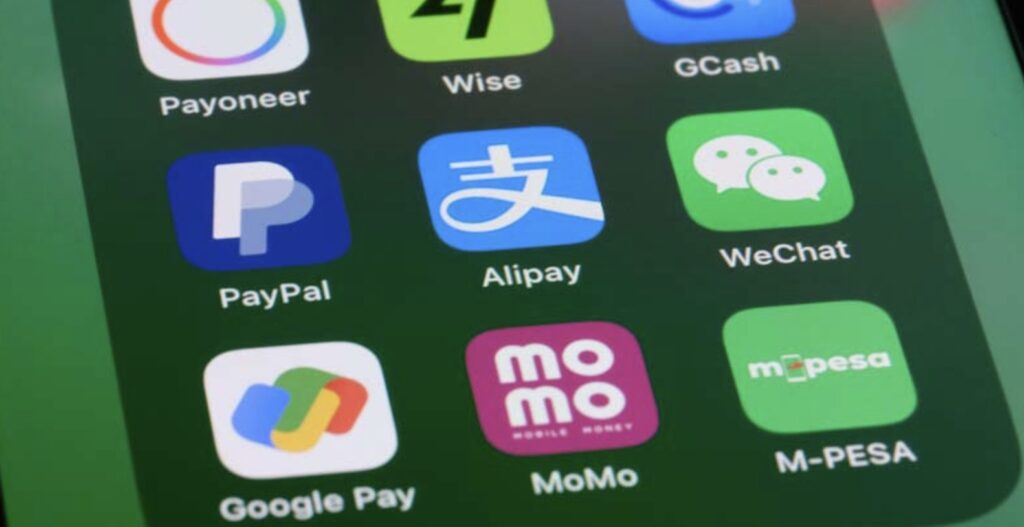
Why M-Pesa Changed the Rules of the Game
Because M-Pesa made payments easy, it changed the market. Not everyone has a bank card, and even those who do sometimes find it difficult to make online card payments. Almost anyone with a phone can access a mobile wallet, and transmitting money merely requires a few taps.
Online services have grown faster as a result. Subscribing, topping up accounts, and testing new digital items became simpler once payments were quick and simple. As a result, businesses saw an increase in active users.
The decreased entry barrier is the most significant change. Complicated banking procedures are not necessary for users. They can use digital services just as easy as sending a message if they have a phone and a mobile network connection.
From Streaming to Online Gaming: Where the Growth Is Happening
The effects of mobile payments are more noticeable in digital services where accessibility and quickness are crucial. Music and video streaming services expanded first.
Because it only takes a few seconds to pay, more people are subscribing to music, movies, and television shows. Sports services, which allow users to pay for broadcasts and additional features without needless hassles, have also grown in popularity. Simple top-ups have a direct impact on involvement in the rapidly growing world of online entertainment.
The fact that consumers are making smaller but more frequent payments is a significant shift. Users can pay for a particular feature whenever they need it, so there’s no need to invest a lot of money up front. A larger audience may now enjoy digital entertainment more easily thanks to seamless transactions.
Micropayments and the Psychology of Low Friction Spending
One of the more significant shifts in Kenya’s digital economy is the move from large, infrequent payments to small, recurring transactions. Mobile wallets have normalised spending in short intervals: daily subscriptions, modest top-ups, access to individual features.
This structural change alters behaviour in measurable ways:
| Traditional Payment Model | Mobile-First Payment Model |
| Large upfront commitment | Small, frequent payments |
| Monthly or annual billing | Daily or flexible access |
| Higher psychological barrier | Low-friction transactions |
| Delayed processing | Instant confirmation |
| Long-term contract logic | Pay-as-you-go usage |
Smaller deductions reduce psychological resistance. A limited charge feels routine rather than risky. As a result, users experiment more freely with digital services. The shift is not simply about higher transaction volume. It reflects a deeper recalibration: value is now measured in immediate access and flexibility rather than long-term ownership.
Bonuses, Convenience and User Loyalty
Instant payments made it harder for digital providers to compete with one another. A user can quickly switch to a new product after trying it out. Bonuses became a useful strategy for drawing in and retaining customers in that setting. Activating an offer immediately following a top-up without waiting for confirmations is made feasible by mobile payments.
The logic is simple:
- People want quick access to a service;
- Companies want to keep users for longer;
- A bonus helps a brand stand out.
Payment convenience strengthens the effect of these offers. If activation takes seconds, users are more likely to stay and keep using the service. That is why bonus programmes have become part of growth strategies across Kenya’s digital sector.
Regulation, Trust and the Institutional Backbone
The expansion of mobile payments rests on regulatory foundations. The Central Bank of Kenya licenses and supervises mobile money providers, embedding digital transactions within formal financial oversight.
Several institutional mechanisms reinforce trust:
- Central Bank licensing and compliance monitoring;
- SIM registration and identity verification;
- Clearer dispute resolution processes;
- Transaction traceability and record transparency
These measures do not eliminate risk, but they reduce uncertainty. Over time, repeated successful transactions strengthen user confidence. Trust becomes cumulative.
Mobile payments in Kenya therefore function as more than a technological convenience. They operate within a regulatory framework that supports reliability, and that credibility sustains growth across the broader digital sector.
What This Means for Kenya’s Digital Future
In Kenya, mobile payments serve as essential digital infrastructure rather than only being a practical choice. They provide as the foundation for new client formats, business strategies, and services. When payments take only a few seconds, consumers begin to anticipate the same speed for everything else, including content access, customer service, and sign-up.
This changes how users behave. Individuals grow more picky and select services that seem clearer and quicker. In response, businesses must streamline procedures, clarify terminology, and respond quickly to client demands.
Mobile payments therefore affect more than just checkout ease. They improve the digital market’s general standards and give Kenya’s entertainment industry a more vibrant, competitive atmosphere.